
True or not · 18 September 2026 · 6 min read
Astrological Remedies for Health: What's True, What Isn't
Astrology has long assigned body parts to zodiac signs — but no gemstone, colour or ritual has ever been shown to treat an illness.
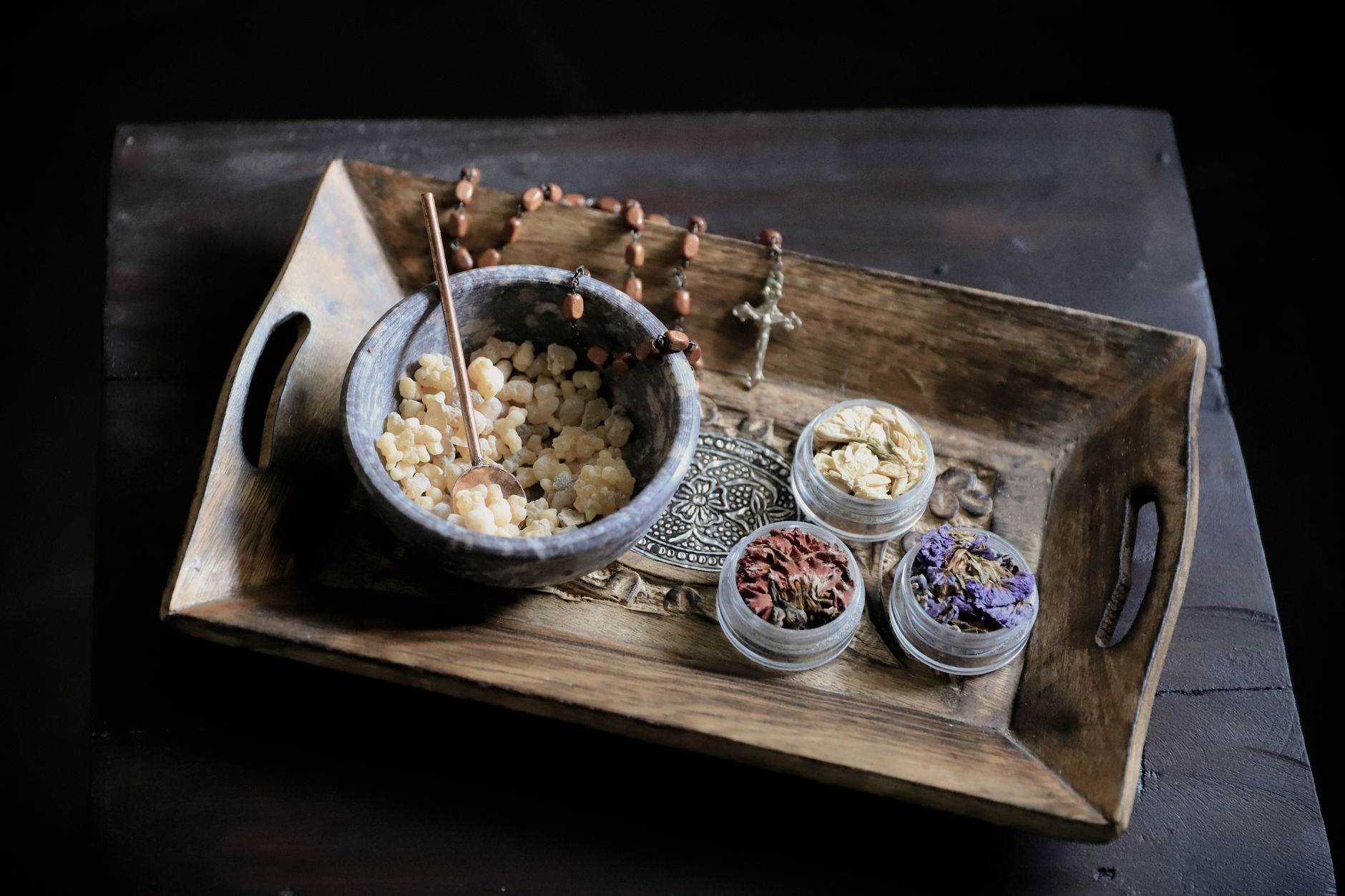
People say this in slightly different ways depending on where they picked it up, but it usually comes out something like: "Capricorn rules the knees and bones, so a blue sapphire worn on a Saturday helps my joints," or "Cancer governs the stomach, so eating with the Moon settles my digestion," or "Mars rules the blood, so red coral fixes low iron." Partly true. The body-part assignments are a real, old part of the astrological tradition, and you can look them up in texts that predate modern medicine by a long way. The idea that a gemstone, colour, mantra or ritual timed to a planet can treat, cure or measurably change a physical condition is not something astrology, or any symbolic system, can actually support.
The confusion is worth taking seriously, because the part that's true is genuinely old, genuinely documented, and was taken seriously by serious people for a very long time. The part that isn't true is a fairly small, specific leap from that history — but it's the leap that matters if you're deciding whether to wear a stone instead of seeing someone about a knee.
Where the body-part list actually comes from
Medical astrology — sometimes called iatromathematics — assigning each sign to a region of the body is not a modern invention. It's one of the oldest, most stable parts of the whole system, largely unchanged since antiquity:
| Sign | Traditional body association |
|---|---|
| Aries | Head, face |
| Taurus | Throat, neck, thyroid |
| Gemini | Lungs, shoulders, arms, nervous system |
| Cancer | Chest, stomach |
| Leo | Heart, spine, upper back |
| Virgo | Intestines, digestive system |
| Libra | Kidneys, lower back |
| Scorpio | Reproductive organs, elimination |
| Sagittarius | Hips, thighs, liver |
| Capricorn | Bones, joints, skin, knees |
| Aquarius | Circulation, ankles, shins |
| Pisces | Feet, lymphatic system |
For centuries in Europe, almanacs printed a figure known as "zodiac man" — a body diagram with each region labelled by sign, used by barber-surgeons to decide which days were favourable for bloodletting a particular part depending on where the Moon sat in the zodiac that month. Practitioners were often called astrologer-physicians because the two roles weren't separated the way medicine and astrology are separated now. This is real, checkable history — the diagrams survive, the almanacs survive, the correspondence table above is essentially unchanged from what they used.
Where the leap happens
The leap isn't from "nothing" to "something." It's from a symbolic framework that organised how a pre-modern physician thought about a patient, to a causal claim that a specific object — a stone, a colour, a fast on a specific weekday — changes a physical outcome in the body. Those are different kinds of claim, and the difference is the whole issue.
Saying Capricorn is traditionally linked to bones and joints is a statement about a symbolic system: it tells you how that tradition organises meaning, the same way saying a tarot card is linked to endings tells you how that system organises meaning. It isn't a diagnosis and it isn't a mechanism. Saying a blue sapphire worn on a Saturday reduces joint pain is a physical claim, and physical claims need a physical mechanism or at minimum a demonstrated effect that holds up when you actually check it. Nothing about a mineral's crystal structure changes because Saturn moved three degrees in Sagittarius. Nothing about Saturn's gravitational pull or light reaches a human knee in a way that changing what's on your finger could plausibly interact with. The tradition never claimed it did, either — the remedy layer is a much later, more commercial addition to a much older descriptive one.
The body-part table is a description of an old symbolic system. "This gemstone will treat that organ" is a physical claim with no mechanism behind it — and it's a different kind of statement entirely.
What astrology can actually compute, and what it can't
This is worth separating cleanly, because astrology genuinely does have a computable, checkable side, and that's easy to confuse with the remedy claims once you've seen one part of the system work.
A transit — say, Saturn crossing the exact degree of your natal Saturn, which is what when your Saturn return happens is actually asking about — is an astronomical event with an exact date, derived from an ephemeris, the same tables used to plan spacecraft trajectories. That date is real and checkable. What isn't checkable is the traditional meaning attached to it: that a Saturn return brings a reckoning, or that it will affect your health, career or relationships in some way. The date is fact. The meaning is interpretation, offered honestly as interpretation. The same distinction runs through how a natal chart is actually calculated, step by step — planetary positions, houses and aspects are computed from real time and real coordinates, but what those placements are said to mean about a person is a separate, non-empirical layer laid on top.
A health remedy tied to a planetary rulership sits entirely in that second, interpretive layer, with none of the first layer's computability underneath it. There's no ephemeris for whether a sapphire helps a knee. There's no worked calculation, because there's nothing to calculate — the claim isn't astronomical, it's medical, and it hasn't been tested the way medical claims need to be tested: compared against doing nothing, replicated, checked for a mechanism.
Who repeats this, and why it sounds right
It sounds right for a few genuinely understandable reasons, none of which involve anyone being foolish.
First, in several traditions — Ayurveda combined with jyotish in South Asia is the clearest example — astrology and folk medicine were never separate disciplines to begin with, and the remedy practices carry real cultural and family weight that has nothing to do with whether a controlled comparison would find an effect. Continuity and meaning are legitimate reasons to keep a practice; they're just a different question from whether the practice changes a physical outcome.
Second, ritual itself does something, just not what it's usually credited with. Choosing a stone, setting a day aside, paying attention to a routine — these can genuinely correlate with feeling calmer or more cared for, because attention and structure do that regardless of the mechanism behind them. If someone feels better after starting a remedy, that's a real experience. It's just not evidence that the sapphire, rather than the attention and the sense of doing something about the problem, is what changed.
Third, the body-part table really is old and really is consistent across centuries of texts, and that consistency lends the whole package — table plus remedy — more authority than the remedy half has earned on its own. It's easy to see that one part of a claim checks out and assume the rest does too.
The actual boundary
The zodiac body-part correspondences are a documented, describable part of the astrological tradition — you can trace them, tabulate them, and say honestly what they claim. That's the part above is written from inside the tradition, on purpose, because it's true to state what the tradition says even when the tradition isn't making a scientific claim.
What sits on the other side of the line: no remedy tied to a sign, planet, gemstone or ritual has been shown to treat, cure or otherwise change a physical health condition, and nothing here should be read as suggesting otherwise. A persistent pain, a digestive problem, a thyroid concern — these are questions for a doctor, not for a stone or a Moon phase, regardless of which sign traditionally governs that part of the body. Astrology can offer a lens for thinking about timing and attention; it was never built, and shouldn't be used, as a substitute for actually finding out what's wrong.
Written with AI assistance and reviewed by a person before publication. The astrology and numerology behind Amunera are computed, not generated.